Psychological safety = creative minds, safe hearts.

Disclaimer: the insights in this snack 🍍 are relevant to all teams across industries — not just agencies.

From Gratia, we want to share not some best practices but THE best practice that can save you from these painful questions:

🤨 Why are other teams more innovative than mine?

🥺 Why, if I hire talented people, don’t they shine?

🥴 Why am I abandoned by creative collaborators and left with unimaginative ones?

Answer: almost certainly because of the psychological safety you offer as a team or company.

Amy understands a lot.

Harvard professor Amy Edmondson defines psychological safety as “the shared belief that the team is a safe place to take interpersonal risks.” In other words, it is the confidence you can propose and do without fear of being humiliated, ignored, or punished.

Trust us — this is the bedrock of creativity.

When a team feels psychologically safe, they naturally:

* They take creative risks: they propose or “experiment with ideas, even if they initially seem crazy. * They express: opinions, thoughts, concerns, and insecurities without fear of criticism. * They accept mistakes: knowing they are part of learning and that failures are opportunities to grow. * They learn and teach: there is confidence to ask for and give constructive feedback, which energizes the group.

Doesn’t this happen in your team? Yellow light: creativity does not flourish under intimidation. Let’s see how to reverse it.

If you are a leader, this section is for you:

Creating psychological safety depends, purely and exclusively, on the leader. It doesn’t rely on the culture or subculture they foster. Here is an actionable plan:

1. Be a role model: promote dLet’sue, listen actively, and value diversity of perspectives. 2. Celebrate experimentation: recognize that mistakes through experimentation (not negligence) are part of the creative process. Create a climate where learning is valued, and testing is celebrated, even if the desired success is not always achieved. 3. Recognize individual contributions: congratulate achievements, large or small. Acknowledging reinforces the team’s confidence and self-esteem.

Keep in mind that we tend to project our shortcomings onto others. Look in the mirror and reflect honestly: are you creating a safe environment for your team? When you give feedback, do you pollinate or wither? Do your team members accept challenges to your ideas? Do you allow comments or improvements to what you propose?

Let’s suggest some tips to make that happen:

1. Prick the ego. It usually solves 80% of the problem. 2. Talk to your team and ask them how they feel when interacting with you and what they need to feel more confident and creative. 3. Daily, let them give you feedback because feedback is always bidirectional. Ask for it, and have retrospective meetings to help you see if there is something you can improve. And commit to doing it. 4. Practice active listening. Listening doesn’t just mean hearing. It means encouraging and asking relevant questions to validate people’s contributions and reinforce that their ideas matter. For example, use phrases like “That’s interesting, could you elaborate on that?” or “Tell us more…” or “How do you imagine…?” and questions that open minds rather than close possibilities. Give them the space to contribute and think. 5. Recognize effort, not just success. Be careful: if you only celebrate the final results, you could discourage experimentation. Shift your gaze and detect good things to recognize and reinforce instead of just pointing out what didn’t go well. 6. Prink the ego. We have already said it, but it quickly gets inflated again.  

If you are afraid of conflict within the team, this section is for you:

Fear of conflict can stifle creativity. However, constructive conflict and passionate debate can fuel innovative ideas.

Teach your team the difference between attacking a problem or an idea and attacking a person: people are sacred; ideas are to be beaten to a pulp, made to shine, or discarded if there are better ideas.

Creativity flourishes in freedom and discussion, not fear or rigid hierarchies.

Is psychological security the same as a good working environment?

Not necessarily. A team can have a pleasant atmosphere yet operate under a system where one leader dictates, and everyone else complies. Psychological safety is about empowering everyone to think, contribute, and create.

Yes, you can.

You can prevent your team from being a Bermuda Triangle of creativity. Have you rotated a lot of people or changed 20 agencies or consultants, and none of them worked? Maybe you are the cause.

As a leader (or client), you can create an environment where talent thrives, ideas flourish, and experimentation is embraced as a vital part of the learning process. We hope this article helps you move in that direction.

It’s a pleasure to collaborate with companies that foster such environments where we can co-create, propose bold ideas, explore possibilities, and present innovative initiatives.

If your company embodies this spirit, congratulations! And let us know — we’d love to collaborate and create something amazing together.

Thoughts?

Thanks for reading this Gratia snack — now create something amazing!

IT’S ALWAYS WITH WHOM©

Copyright Gratia. All rights reserved.

The bipolar river: the ultimate strategy for leading change.

When you look at a river, you see two rivers at once: one that flows and one that stays.

The flowing part is the water — rising, falling, rushing, and calming.

The part that stays is the riverbed — solid, containing, rocky, and steady.

The river's bed, not the water, defines its identity, allowing us to distinguish the Nile from the Amazon.

Too poetic? Not at all. This is pure business strategy, as managing these two rivers is the essence of leadership for CEOs and managers.


Let's dive deeper into the analogy.

"Dive deeper," did you catch that? We think of everything, don't we? 🥁

Jokes aside, every company (or its areas) operates as a natural duality: the water represents products, services, value propositions, customers, and processes, and the riverbed symbolizes identity, purpose, and culture.

But here's the twist: change alters everything. Change is the lifeblood of any thriving organization, whether self-initiated or driven by competition, societal shifts, or emerging trends. The real challenge lies in managing these two rivers — water and bed — to flow harmoniously, balancing the need to adapt with the imperative to preserve our core identity.


Strategic clarity: what river are you managing?

When market demands — or those from internal areas — are shifting at lightning speed, the natural reaction is to focus on managing the water:

* Stay attuned to demand by understanding how it evolves, grasping society's changing expectations, monitoring competitors, and decoding customer desires, needs, and trends. * Innovate relentlessly: continuously refine and enhance your value proposition. * Adapt with agility: embrace creative destruction, operate in perpetual beta, and transform the structure of teams and processes to deliver value.

This approach demands significant effort, but neglecting it risks drying up the river, no matter how well-crafted the riverbed may be.

However, caution is crucial. If we replace all the water indiscriminately, how can we preserve the essence of our identity?

There's a risk of mixing up rivers: if a brand radically changes its offering, it can lose its positioning. For instance, it might seem logical for Nike to sell food for athletes — it's a strong player in sports and would carry the brand's credibility (the riverbed). However, the product (the water) would be so unexpected that it could confuse customers, who might prefer to stick with a brand solely focused on food. In this case, Nike would be mixing up its rivers.

The same scenario applies within companies: if my area (the bed) delivers a specific value, such as technical support for a system (the water), and that system is discontinued, does the river dry up? Does the area vanish? Or was its value broader—like supporting the business? If the latter, I could pivot into a more general support function, no longer tied to a specific system.

If not, the river is gone: its water was its identity.

Understanding which river we're managing is essential for navigating dynamic processes, adapting to constantly evolving demands, aligning teams, and preparing for the future.


If everything changes externally, what should I communicate internally?

People thrive on comfort zones, stability, and predictability, making change unsettling. It challenges inertia and often creates insecurity. That's why, at Gratia, we embrace a concept we call the coherence of the contradictory.

Here's how it works: consistency fosters trust, but changes can appear contradictory. For instance, imagine we've always insisted we'd never offer a particular service. Then, a client requests it, and we decide to provide it. Contradiction? Are we abandoning our principles? Not at all. If the change serves a strategic purpose, explaining how this shift adds value helps people see that we can adapt and innovate without losing our essence.

The coherence of the contradictory means confidently committing to decisions at the moment while recognizing that reality may demand a pivot. Embracing change as evolution, not failure, allows us to grow. Our purpose remains constant and acts as a guiding light: every adaptation must align with it and the company's core values. In this way, the essence of who we are endures, even as the world around us changes.

Values stay intact, while culture reinforces our identity and strengthens the sense of belonging among the team.

How can you internally communicate the balance between change and stability without overwhelming your team? Here are some strategies:

* Lead by example and set the vision — or step aside. It's harsh but true. Leadership requires clarity and direction. * Be transparent: consistently and clearly communicate the reasons behind the changes, ensuring they align with the company's purpose and what's now expected from the team. Explaining the "why" builds trust. * Empower your team: change thrives on fresh perspectives. Create a psychologically safe environment where employees feel encouraged to ask questions, make decisions, and share ideas. * Promote continuous learning: cultivate a culture of ongoing education and experimentation to adapt to evolving technologies, trends, and skills. * Foster resilience: by supporting stressed or uncertain team members, guiding those feeling lost, and normalizing the discomfort of change. Emphasize that change is not the exception but the rule and that the team's strength lies in its collective support.

Let's wrap up with two perspectives:


Looking upstream.

Reflecting on the past can illuminate the present. Revisiting our origins — where we started and what shaped us (think of Mercado Libre's garage) — can be invigorating. It reminds us of what brought us here, the entrepreneurial spirit that fueled our journey, the challenges that tested us, and the lessons that made us stronger. These shared experiences form our identity, define our character, and set us apart. In times of uncertainty, this "founding story" — which often isn't a myth — serves as a compass. Our history and DNA guide us to refocus, reevaluate, and take action, whether evolving our products or services in response to market changes or staying true to the essence that defines us.


Looking downstream.

Focusing on the future energizes the present. A river reflects cohesion — how our customers and employees perceive us. We are a promise, an identity, and a constant evolution people invest in.

If the market sees us as a dynamic entity that evolves while staying true to its essence, it will continue to trust us, providing reassurance and loyalty. The same applies internally: when employees perceive a balance — neither chaos nor stifling rigidity — they recognize a purposeful dynamism where change is embedded in the culture.

Change and stability are not opposing forces; they are meant to coexist. Processes, teams, and structures may shift countless times, and that will become the norm. Reinventing ourselves as needed ensures we remain relevant in a fast-moving market. When teams understand and align with this philosophy, everything flows more smoothly.

Closing thought: Every leader must navigate the dual river strategy, balancing constant innovation with an enduring identity. No one said it would be easy, but it's undeniably exciting.

Thanks for reading this Gratia snack; now go create something extraordinary!

IT’S ALWAYS WITH WHOM©

Copyright Gratia. All rights reserved.

How to turn employees into internal influencers.

Is the C-level concerned about spam emails or a low engagement rate due to anonymous postings on internal platforms using a corporate voice that doesn't connect with the company's culture? Are you uneasy, too?

This is also a concern for Gratia clients. "Emitting areas" are distant entities that eventually become irrelevant. Therefore, this snack 🥪 offers ideas on utilizing organic influencers to enhance engagement and optimize the effectiveness of your internal communications.

Oh, yes: for the sake of snackiness (or brevity, whichever you prefer), we'll break it down into two sections:

How to identify them.

How to empower them.

How to identify them: four indicators.

You don't need sophisticated tools to identify your natural leaders. Observe collaborators and look for:

1. Topic referents: leaders or referents of topics, businesses, and areas whose voice has authority.

2. Informal leadership: people who positively influence their teams without occupying hierarchical positions.

3. Communication skills: employees with the ability to connect with others and build solid relationships.

Experience and knowledge: employees (or necessarily leaders) with expertise in specific areas can share valuable information with their colleagues.


How to empower them: four vitamins.

Once you have mapped these people, let's empower them.

1. Train them: provide your influencers to communicate effectively, create engaging narratives, and use internal platforms responsibly. This can be internal training from the CCII team or external training from an expert in personal branding. If they don't feel like writing, be their ghostwriter and do it yourself, but their voice.

2. Empower them: allow your influencers to communicate in their style and connect authentically with their audience (always respecting the company's values and key messages).

3. Co-create engaging content with them: exciting stories, data, surprises, and messages that resonate. Don't be afraid to use different formats, such as videos, GIFs, or infographics. And don't forget humor (hello, memes!).

4. Use analytics: leverage data to measure your participation's reach, engagement, and results. Measure the timing, formats, and places where you publish. Learn everything and adjust based on that.


And does it work? Hey, we wouldn't write this snack if it didn't work.

Finding your internal influencers empowers your company voice: They humanize, bring people closer, give credibility, multiply conversations, improve what we say, and increase engagement. Engagement is not something ethereal; it directly impacts profitability. A Gallup study (2022) shows that companies with high levels of engagement are 21% more profitable and increase their profits up to three times faster than their competitors.

So, while they are not the only lever to achieve this, organic influencers are a key enabler of profitability.


And it ends (or begins, if you put it into practice).

We want to close this snack with a brief reflection: all your internal communication platforms can be enhanced with the touch of people whose positive influence can generate engagement, closeness, and connection.

Thus, identifying, supporting, fostering, and replacing team members is essential for IICC teams. Although this process is straightforward, it demands methodical consistency, as it significantly influences culture and long-term outcomes.

No more.

No less.

Thanks for reading this Gratia snack; now go create something amazing!


IT'S ALWAYS WITH WHOM©

Copyright Gratia. All rights reserved.

Psychology of Creativity in High-Performance Teams.

At Gratia, we ditched the lone genius myth and embraced creativity as a collective phenomenon. What if creativity wasn’t just the turf of “the creatives” but a team-wide superpower? Picture a swarm of buzzing ideas — not just challenging but transformational.

As a first step, we must understand that high-performance creative teams do not arise by chance but are designed and nurtured by certain fundamental factors. In our opinion, there are four, nothing more:

1. Psychological safety. 2. Cognitive diversity. 3. Effective workflow. 4. Constructive conflict management.

1Let’s look at each one in its snack version 🍓


1. Psychological safety: let ideas fly without fear.

Picture a brainstorming session dominated by silence, as everyone fears their ideas might be dismissed. This scenario stifles creativity. According to Google’s Project Aristotle, psychological safety is the essential ingredient that enables even the most unconventional ideas to thrive without worrying about being judged.

Let us share some tips with you:

* Listen actively: create spaces where ideas flow freely before they’re critiqued. Start with “the worst possible concept” for a dose of laughter and inspiration. * Confront skeptics: when a team member suppresses creativity, engage yourself in an open discussion and emphasize the effect of their criticism on the team’s dynamics.  

2. Actual cognitive diversity: more minds, more magic.

Creativity thrives on diverse perspectives. Teams blending different thinking styles, experiences, and disciplines tackle challenges faster and more effectively.

But diversity isn’t about ticking boxes; it’s about integrating contrasting views productively. Whether an advertiser works with a data scientist or a UX designer, the interplay of diverse expertise can spark groundbreaking ideas.


3. Workflow: get in the zone (together).

Have you ever lost track of time while immersed in a task? That’s the flow. Now, imagine an entire team hitting that groove simultaneously.

Here are some ideas to foster flow:

* Balance challenge and ability: tasks should stretch the team without overwhelming them. * Kill distractions: ditch unnecessary meetings and notifications. Automate repetitive tasks to free up brainpower for creative problem-solving. * Block time for creativity: schedule focused sessions with clear objectives so everyone knows their goals.  

4. Constructive conflict: turning friction into innovation.

The best teams don’t avoid conflict — they harness it. The trick is managing constructive conflict, where ideas clash respectfully, egos take a backseat, and curiosity drives the conversation.

It’s a cultural issue. Things are easier when your team has clear rules for debate. The basic rule is that you attack ideas, not people. Brainwriting (writing down ideas before discussing them) is helpful for the insecure or introverted. It levels the playing field and gives a voice to those who struggle to speak.

Teams tend to produce more innovative solutions when they engage in constructive debate. The reason? is not to win an argument but to reach the truth. Well-managed friction allows people to think beyond the obvious, polishes egos, and enriches ideas.

So, what’s the takeaway?

Creative teams aren’t collections of lone geniuses — they’re finely tuned ecosystems where every member plays a role. Building this requires intentional leadership, solid systems, and a culture that balances risk with respect.

If you are a leader, ask yourself:

* Am I fostering an environment of trust? * Does my team leverage diverse perspectives? * Are workflows optimized to prioritize creativity? * Do we embrace conflict as a tool for innovation?

Creativity isn’t magic — it’s a science (or an art) you can master. Set the stage for your team, and watch those sparks fly.


Thanks for reading this Gratia snack. Now, make something extraordinary!

 
IT’S ALWAYS WITH WHOM©  

Copyright Gratia. All rights reserved.

Data Storytelling: the “Once upon a time…” of Internal Communication.

At Gratia, we don’t just crunch numbers — we craft narratives that bring data to life. Because, let’s face it, dashboards alone don’t tell the whole story. Sure, they show metrics, but without context, it’s like reading a single sentence from a novel and trying to grasp the plot.

Context is everything.

Ah, but I have dashboards for everything! Congratulations, but it’s not enough. A dashboard is terrific for showing you data but not necessarily relating it.

An elementary example: if you see on the car’s speed indicator that you are going 130 km/h, that’s one piece of data. Now, are you on a road or in a city? That same number, in context, can be reassuring or alarming. And if you relate it to others, such as whether you are sleepy or not, if it is day or night, or anything else that makes sense, then the data will allow you to make decisions.

Numbers without context leave more questions than answers. For instance, an impressive email open rate may seem significant, but does it translate to employee engagement, cultural shifts, or productivity boosts? Every figure must be woven into the company’s broader strategy to make sense.

Let’s say you’re running a wellness campaign. Contextualized data should reveal its impact on stress levels, job satisfaction, or talent retention. Without these connections, metrics are just isolated blips with no meaning.

In this snack, we share some criteria so that you can find valuable data, relate them, create a consultative narrative, and add much more value than a dashboard would.

Choose relatable metrics.

It’s not just about communication stats. Dig deeper — look at HR, sales, employer branding, or health and safety data to gauge your campaign’s true impact. The goal is to pinpoint metrics that show active participation, employee feedback, and tangible results, like improved workplace culture or retention rates. Presented right, these figures demonstrate ROI and strategic alignment.

From data to decisions.

Data should fuel insights, and insights should drive action. This is where data storytelling shines — transforming raw numbers into actionable strategies. For example, showing how better internal communication reduces conflict resolution times illustrates operational and experiential improvements.

Transparency matters.

Celebrate wins, but don’t shy away from failures. Analyzing what didn’t work strengthens your credibility and helps refine future strategies. Transparency shows your commitment to learning and improving, making your team an invaluable asset to leadership.

Predictive analytics: a peek into the future.

While we can’t predict the future, analyzing trends can help forecast behaviors and tailor communication strategies. Predictive data empowers organizations to craft more personalized and relevant messages for specific employee groups, boosting engagement and impact.

The data storytelling cycle.

Data becomes powerful when it evolves into insights and actionable prescriptions. This cycle — data → insight → action → feedback — creates a continuous refinement loop. Over time, this approach elevates internal communication strategies, ensuring every interaction feels meaningful, not spammy (yes, that’s a word now).

Thanks for reading this Gratia snack — now create something amazing!

IT’S ALWAYS WITH WHOM©

Copyright Gratia. All rights reserved.

Is there such a thing as the perfect Brand Architecture model?

At Gratia, we often work with clients with a vast brand portfolio, which raises the fundamental question: is there a perfect brand architecture model? As you might expect, the answer is complex. It's a complex and nuanced topic that requires careful consideration.

That's it, you can do something else, bye-bye.

Just kidding—don't leave just yet! There's a snack 🍍 to learn about brand architecture. It is crucial to understand the nuances of each approach, how it aligns with your business strategy, and that brand architecture is not a rigid framework but a strategic tool. This understanding can help you maximize clarity, efficiency, and market value.

Like any tool, brand architecture's effectiveness depends on how you use it. We're here to share the main brand architecture models and some guidelines on choosing the best one for your portfolio. It's all about taking a strategic approach and controlling your brand's narrative.


For newcomers: what is brand architecture?

In essence, it is the way brands are structured within an organization. From a practical perspective, it defines the relationships between the leading (corporate) brand and its sub-brands or products.

Its main objective is to simplify the customer experience and reinforce the identity and purpose of the brands under its umbrella. This saves time and money while boosting positioning.

However, as we said, while no architecture is perfect, several models exist to build an optimal one. Let's examine each one's advantages and challenges.


MODEL 1: the monolithic brand or "Branded House."

Example: Google.

This model unifies all products and services under a single corporate and gigantic brand. Google's umbrella includes Gmail, Google Drive, and YouTube, reinforcing the global identity and giving customers peace of mind.

It is an ideal scheme for companies with related products that share clear values, audiences, and purposes. The products cross-pollinate each other, and the customer experience is unified. A brand like this is great because it creates synergy in brand recognition and emotional value, reducing marketing and design costs.

However, a latent challenge exists because the potential reputational risk is amplified. That is, a mistake in one product can affect the entire brand. Virtuous cross-pollination can become vicious. Although one product is not the brand, when the brand is the mother of many products, if one of them fails, it can contaminate the rest.

That is why, in this model, suitable crisis protocols and the "ejection" of complicated products are essential so that a problem does not affect the entire portfolio.


MODEL 2: individualist or "House of Brands."

Example: Procter & Gamble.

Each product is an independent brand, such as Pantene, Gillette, or Tide, with its positioning, audience, narrative, and team.

The advantages are obvious: they provide maximum flexibility to serve different audiences and segments while mitigating risk, as a problem in one brand does not affect the rest. However, the challenges are significant, as each brand requires independent marketing and design resources.

This model is optimal for diversified companies with product lines and different target audiences or values. Each brand often has a different agency specializing in its industry or segment.


MODEL 3: hybrid or "Endorsed Brand."

Example: Marriott International.

This company combines a leading brand with independent sub-brands, such as Marriott Bonvoy or Ritz-Carlton.

Hybridity leverages the reputation of the parent brand without overshadowing the sub-brands and offers flexibility to adapt to different segments. It works well for companies with diverse audiences, where sub-brands need some independence and the backing of a strong parent brand.

But be careful, following the hotel example: if your brand has the same or similar name and goes from "less luxury to more luxury," it is essential that people understand "what brand they are in" so as not to generate false expectations and subsequent disappointment. That's why it's crucial to avoid confusion and have a clear consistency in the narrative.


The easy question (wink-wink): how can you choose the right model?

We can only give you an answer if we know you, but we can give you some points of analysis to think about together. Let's look at them:

Know your portfolio. Analyze your products, audiences, and purpose in depth. Do your brands need independence, or can they benefit from a unified narrative?

Evaluate your available resources. Do you have the budget to maintain multiple independent brands, or is it more viable to centralize efforts under one umbrella?

Anticipate growth. Your model today must allow for tomorrow's growth. Consider a hybrid model to expand into new markets or launch diversified products.


The perfect model dilemma.

Everyone thinks their competitors have the perfect model, but this is sometimes true. The ideal model is not a recipe but a strategic decision that must be aligned with your organization's goals, culture, and capabilities. Beyond choosing a scheme, the important thing is to maintain narrative and emotional coherence in every interaction with your customers.

We suggest you think of your brand architecture as a canvas: the initial design matters, but so does the ability to adapt as your business evolves. If you are a startup, there will be one reality. If you are an established company, you may choose another model. Look at consumer trends, social changes, cultural contexts, and other business and social data to use them as input for analysis.


A bonus: some current trends in brand architecture.

We have already seen the traditional models and some criteria that allow you to build an infinite number of architectures for different companies or industries. We invite you to explore what's coming.

Simplicity as a strategy. Brands perceived as simple are more likely to be recommended by consumers. What does this mean for brand architecture? The old phrase less is more. The trend is toward models that prioritize clarity, eliminating unnecessary complexity. People need to connect the dots.

Digital adaptation. The digital age demands consistency across all touchpoints, from social networks to apps. Many companies are rethinking their architectures to unify the user experience across digital platforms, avoiding confusion and unifying multiplatform storytelling.

Purpose over products. Today, brand purpose can be more important than the products it sells. For this reason, models such as monolithic architecture have gained relevance, as they reinforce a clear identity and aligned corporate values. This does not apply to everything, but if you achieve fidelity to a purpose, future daughter brands will already be born with a good reputation.


Let's close with hope!

The perfect brand architecture does not exist (sorry), but if you know your strengths, budgets, and objectives, you can build a solid model for your organization.

The secret is to design structures that can tell your story clearly and resonate. That way, every decision you make is not just a tactical step but an investment in the longevity and power of your brand.

Thanks for reading this Gratia snack; now go create something amazing!

 
IT’S ALWAYS WITH WHOM©

Copyright Gratia. All rights reserved.

Dude, the influencer rubber duck.

At Gratia, we seek to do the untried and like people who desire to do the same. In this success story snack 🥑 , we tell you an example.


The client.

Howdy.com is a Texas-based technology startup that hires the best talent from Latin America to work with US companies and projects. Its outstanding value proposition differentiates it from the thousands of software factories or consulting firms out there.


The challenge.

The objective was to continue strengthening Howdy's employer brand, reinforcing its positioning, and generating leads from potential collaborators. In a highly competitive industry, showing why working there is vital.

While the company already had social media channels (Instagram, LinkedIn, Facebook, and YouTube), it lacked a space to tell much fresher stories about the day-to-day.


The idea.

We proposed to create a TikTok channel 100% dedicated to Dude, a rubber duck who works as a software developer. And so it was that Dude By Howdy became his awareness and viralization platform to make him a celebrity.

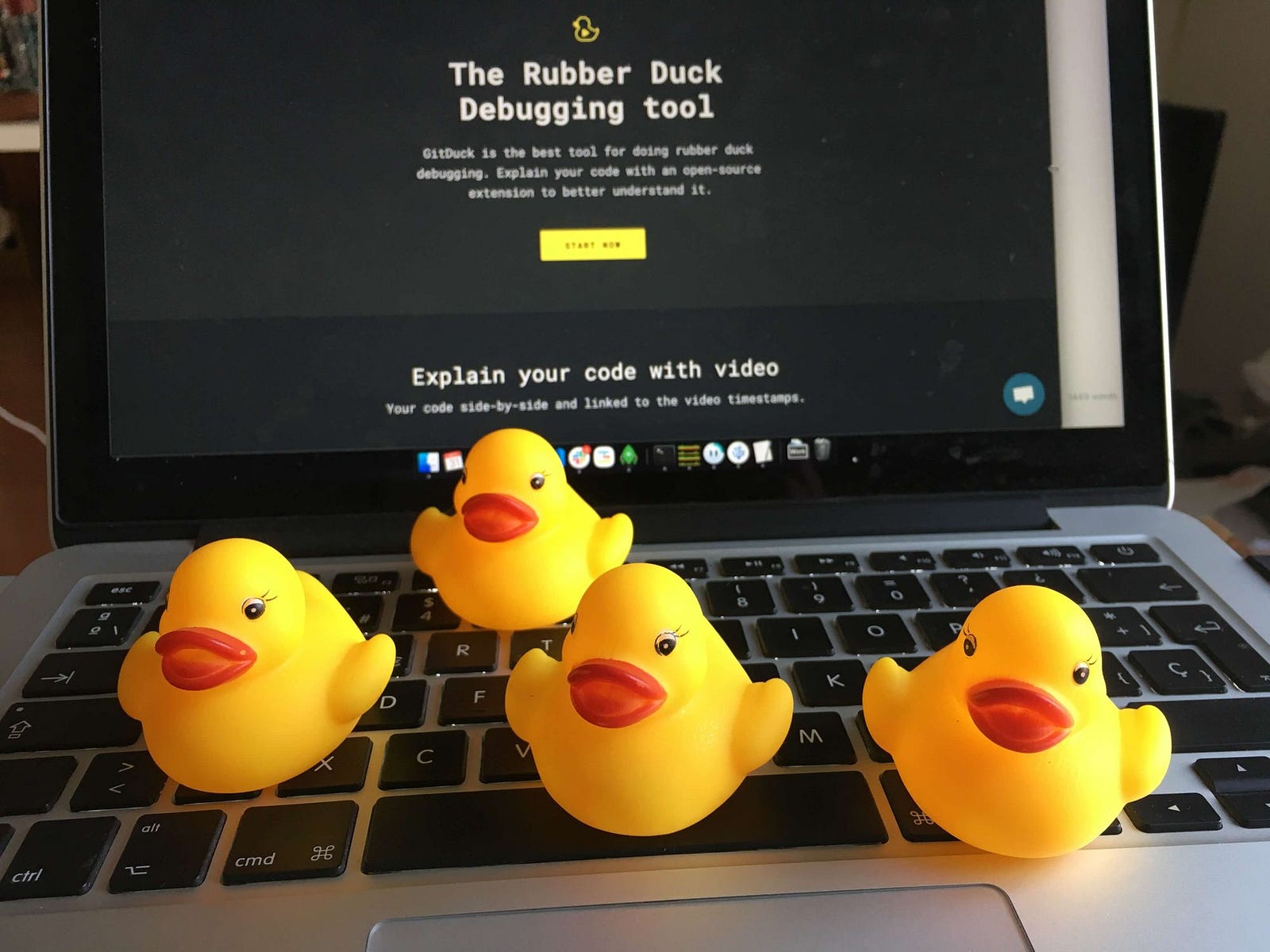
Why a rubber duck? Because it's a well-known industry code, programmers resort to rubber duck debugging to solve their code problems. Dude was ideal for the audience we were looking for.


Execution.

The design team created the character. An engineer modeled and 3D printed the head, a seamstress made the clothes, and the AV team gave him the histrionics needed to connect with potential talent and showcase the Howdyverse and the company's benefits.

For over a year, we posted videos of Dude’s life, not always joyful or peaceful.

Starting when he found out he was appointed TTO (TikTok Officer)...

https://vimeo.com/1044189547  

Or that shock when he saw the code that another programmer wrote…

https://vimeo.com/1044185412

Or being afraid of being out of a job because of the AI…

https://vimeo.com/1044187724

Not to mention when he wanted to get fit…

https://vimeo.com/1044189497

Or having nightmares about the return of Windows XP…

https://vimeo.com/1044190442

Or that business lunch that was complicated by not having fingers…

https://vimeo.com/1044189515

The same as the fact of entering the office…

https://vimeo.com/1044187487

Or the high-five with his colleagues…

https://vimeo.com/1044187380

And that memorable occasion when he discovered his true self….

https://vimeo.com/1044189227

And hundreds more!


The results.

As of January 2025, the channel had more than 115,000 views and 7044 likes. Dude is a Howdy-branded asset for employer branding and internal communication.


Key learning.

A well-developed brand persona allows you to humanize and create an emotional connection with the audience. The secret is understanding the channel's mindset and maintaining the content's consistent creativity, freshness, ingenuity, and even the character's "mischievousness." This promotes empathy and adoption.


It's always with Howdy, Dude, and Alexa. No, not Alexa.

When we presented the idea, we thought we would be fired. On the contrary! The co-founders and regional marketing team loved Dude from the first sketch, the kickstart for the Gratia team to work its magic.

Our creative, audiovisual, and social media talents collaborated to develop the character outline, scripts, and production of Dude's episodes and his lovely life.

Well, not so lovely. Honestly, Alexa doesn't usually make things very easy for him. 😳

https://vimeo.com/1044184098 https://vimeo.com/1044184023  

Thanks for reading this Gratia snack — now go create something amazing!

IT'S ALWAYS WITH WHOM©

Copyright Gratia. All rights reserved.

Employee Advocacy: make it authentic or don’t bother.

When we at Gratia discuss Employee Advocacy with clients in the context of employer branding, we first emphasize that while the concept holds great promise, its success hinges entirely on authenticity. Without it, efforts can fall flat or even backfire. So, in this snack 🍿 let’s play the role that you are a company, and we are… of course, we are us.


What Is Employee Advocacy really?

At its core, employee advocacy is about empowering your workforce to become brand ambassadors. They share company content, celebrate achievements, and showcase your culture and values with their networks. This strategy leverages the inherent trust people have in individuals over corporations.

However, the true magic of employee advocacy lies in its authenticity. Forcing participation or applying pressure can backfire spectacularly, harming the campaign and your brand’s reputation. Genuine enthusiasm is the irreplaceable ingredient for success.

The Foundation of Authentic Advocacy: Inside-Out Approach: genuine + authentic. Truthful and credible as a principle.

The same principle applies here, as influencer marketing has shown consumers value authenticity. People can spot inauthenticity a mile away. Imagine employees sharing boilerplate messages on LinkedIn that feel forced or overly scripted — it does more harm than good.

To succeed, Employee Advocacy must stem naturally from the company’s authentic culture, values, and experiences. Employees' content should be personal and heartfelt, even if not stylistically perfect. Genuine messages resonate far more than overly polished ones.


Can You foster a genuine advocacy culture? Yes — here’s how:

Start with the inside:

Advocacy begins within. Employees can only authentically represent a company’s purpose, culture, or values if they deeply understand and believe in them. Who can talk about your company's purpose, culture, or values if they don’t know them? Who is going to write nice things if they experience unpleasant experiences? Begin by strengthening internal communication and building a solid foundation of trust and pride.

Active listening.

Take the time to understand your employees’ perspectives. What do they value about your organization? What concerns or motivates them when it comes to sharing their experiences? Establish regular channels for feedback to identify and remove barriers to participation.

Empower employees.

Advocacy isn’t just about sharing posts. Equip your team with tools, resources, and inspiration to share stories naturally. Offer guidance on company values, sample content, and ideas for topics, but let them use their voice — authenticity cannot be copied and pasted.

Align actions with words.

Employees will only advocate for the company if its narrative matches their lived experience. If the internal culture doesn’t reflect what’s being promoted, holding off until alignment is achieved is better.

Recognize efforts organically.

Recognition is important, but it should be intrinsic and meaningful. Overly transactional rewards, like bonuses, can undermine authenticity. Employees should feel appreciated because their contributions matter, not because they’re incentivized.


Why authenticity wins every time.

Authenticity is more than just a buzzword; it’s a powerful strategy with tangible benefits. Your employees have unique networks and spheres of influence that your brand might not otherwise reach. Their voices resonate powerfully within those circles when they genuinely connect with your company’s mission. Content shared by a trusted individual, speaking authentically, carries far more weight and credibility than traditional brand messaging.


Is Employee Advocacy right for your company?

Absolutely, but only if you’re built on a strong foundation of clear purpose, defined cultural values, and genuine pride in your work. If that’s you, congratulations! You’re ready to start building an employee advocacy program.

Authenticity is paramount; it’s the engine that drives real impact. When your employees become genuine brand champions, the results are transformative.

The next step is designing the program, but we’ll save that for another discussion. Stay tuned!

Thanks for reading this Gratia snack — now create something amazing!

IT’S ALWAYS WITH WHOM©.

Copyright Gratia. All rights reserved.